
Which floor colour suits a dog? How to see less hair, mud and dust
, by Michael van Wassem, 3 min reading time
, by Michael van Wassem, 3 min reading time
No floor colour hides everything, but some tones show less hair, mud and dust. How to choose a colour that suits your dog, with three tones to compare and a sample test.
You are choosing a new floor and want it to look good even after your dog has rolled around, come back from a muddy walk or is shedding heavily. Colour makes more difference than you might think. No shade hides everything, but you can choose a floor that needs cleaning less often.
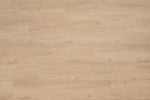
Choose a mid-tone with a tactile texture, such as oak in sand, greige or grey-beige. Very light and very dark floors show the most, because hair and dirt stand out strongly there. Even better: pick a floor whose tone is close to your dog's coat and the dirt it brings in.
Your eye notices contrast. White hairs show at once on a dark floor, dark hairs on a cream floor. Dirt works the same way: on a light floor muddy paw prints stand out, on a dark floor mostly dried sand, dust and streaks after mopping. A mid-tone sits between the extremes and shows both the least. This is a rule of thumb from practice, not a measured value: light, room layout and type of dirt all play a part.
| Tone | Light hair | Dark hair | Mud and sand |
|---|---|---|---|
| White or cream | Disappears | Stands out clearly | Dark marks stand out |
| Sand, greige, grey-beige | Barely visible | Barely to moderately visible | Barely visible |
| Mid-brown or natural oak | Visible | Barely visible | Barely visible |
| Dark or black | Stands out clearly | Disappears | Dust and dry sand stand out |
A floor with a lively wood grain or a cloudy concrete-look pattern often camouflages better than a plain surface. The finish matters too: a matt top layer reflects less light, so it does not highlight every speck of dust. Wide planks and tiles also have fewer seams than narrow herringbone planks, so there are fewer places where hair can collect.
A colour looks different at home than on a screen or in a shop. A sample piece is the cheapest way to choose. Work through this list:
Colour does not change grip. Extra grip reduces the chance of slipping but does not rule it out. When playing, running or jumping, a dog can slip on any floor. Always stay careful, especially with puppies, older dogs and dogs with joint problems. Keep nails short and consider a rug where your dog plays a lot or gets up. Scratches also remain possible: no floor is scratch-proof, nails leave marks on any floor over time, and on a dark floor light scratches are often seen sooner. If your dog limps or seems to be in pain, see a vet.
A mid-tone such as sand, greige or grey-beige, ideally close to your dog's coat colour. A floor that matches the coat colour shows hair the least.
Not bad, but honest: light hairs stand out. If you have a white dog and love dark floors, expect to sweep more often.
Often, yes. A matt top layer reflects less light, so dust and streaks are less noticeable than on a glossy floor.
Choose a mid-tone with texture, match the colour to your dog's coat and test a sample for a week in your own home.
⭐ Add Fidello as a preferred source on Google


