
Grass awns in dogs: how to recognise, prevent and treat this danger
, by Michael van Wassem, 14 min reading time
, by Michael van Wassem, 14 min reading time
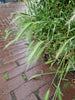
Grass awns may look harmless, but they can cause serious problems for dogs. These dry, sharp seeds from wild grasses have tiny barbs. Because of this, they easily get caught in the coat and can slowly work their way towards your dog’s skin, ears, nose, eyes or paws. Since a grass awn usually moves in only one direction, it can creep deeper and deeper, causing pain, inflammation or injury. The risk is especially high in spring and summer, when grasses flower and dry out. Vets often find grass awns in ears, between toes, in the nose, near the eyes and under the skin.
Grass awns are seed heads from certain types of grass. They are sometimes called “foxtails” or “creepers” because their shape and tiny barbs allow them to keep moving forward. When they are still green, they are often less noticeable. Once they dry out, they become yellow, hard and break off easily. This makes them more likely to get stuck in your dog’s coat. Just one walk through tall, dry grass can be enough for your dog to bring several grass awns home. Dogs that love running through verges, fields, rough grass strips or off-leash areas are at extra risk.
The danger lies mainly in the sharp tip and tiny barbs. A grass awn does not just prick; it can also continue to penetrate. In the paw, it can creep between the toes and cause painful swelling or infection. In the ear, it can cause severe pain and may even move towards the eardrum. In the nose, it can lead to violent sneezing, bleeding or irritation. If a grass awn reaches the eye, it can quickly become painful and dangerous. In rarer cases, grass awns can travel deeper into the body and cause serious symptoms. That is why quick recognition and action are important.
Grass awns are most common from late spring through summer, when grasses grow longer, flower and then dry out. During dry periods, the awns become harder and break off more easily. You often see them along pavements, verges, small fields, ditches, parks, walking paths and poorly mown grass strips. Grass awns can also appear in your own garden if grass is left too long. A short walk around the neighbourhood is therefore not automatically safe; wild grass with awns often grows along pavements and car parks.
Any dog can suffer from grass awns, but some dogs are more vulnerable. Long-haired dogs pick up grass awns more easily in their coat. Dogs with floppy ears have a greater chance of an awn getting stuck in or around the ear. Active dogs that run through tall grass, hunting dogs, tracking dogs and dogs that often run freely in nature areas are also at higher risk. Dogs with a lot of hair between their toes can also trap grass awns more easily, allowing the awn to pierce the skin unnoticed.
The symptoms depend on where the grass awn is located. Pay particular attention to sudden behaviour that starts right after a walk. Common signs include violent sneezing, head shaking, scratching at the ear, holding the head tilted, licking one paw, limping, swelling between the toes, a red or painful eye, whining, restlessness, excessive licking of one spot or a small lump under the skin. A dog can be in a lot of pain from a grass awn, even if you cannot see anything on the outside yet.
A grass awn between the toes is one of the most common problems. Your dog may suddenly limp, lick or bite one paw a lot, lift the paw or react sensitively when you touch the toes. Sometimes you may see a small hole, redness, pus, swelling or a lump between the toes. The tricky part is that a grass awn can quickly disappear under the skin. If you see the awn sitting loosely in the coat, you can carefully remove it. If it is stuck in the skin, or if you only see swelling or pain, a vet is needed.
With a grass awn in the ear, you often see your dog suddenly shaking its head a lot, scratching at the ear or holding the head tilted. Some dogs whine or do not want the ear to be touched. Never try to work inside the ear with tweezers, cotton buds or oil. You may push the grass awn deeper or damage the ear. A vet can look inside the ear with the right equipment and remove the grass awn safely. If the awn is too deep, sedation or anaesthesia may be needed.
A grass awn in the nose is often recognised by sudden, violent and persistent sneezing. Sometimes blood comes from one nostril, or the dog rubs its nose along the ground. This can start directly after the walk. Because a grass awn in the nose does not simply come back out on its own, it is important to contact the vet quickly. Waiting can cause the awn to move deeper and become harder to remove.
A grass awn near or in the eye is always serious. Watch for squinting, tearing, redness, swelling, rubbing with the paw or sensitivity to light. The eye is delicate, and a sharp grass awn can cause irritation or injury. Only rinse gently with sterile eye wash if you have it at home and your dog calmly allows it, but still go to the vet afterwards. Do not pull on anything that appears to be in or behind the eyelid.
Grass awns also often get stuck in warm, hairy places such as the armpits, groin, belly, chest and around the tail. There they can pierce the skin and cause inflammation. You may see a red patch, lump, scab, pus or a spot your dog obsessively licks. Because grass awns can migrate under the skin, it is important not only to treat the visible area, but to have the cause removed.
First calmly check where your dog seems uncomfortable. Look between the toes, in the coat, around the ears, armpits, groin, belly, base of the tail and near the eyes. If you see a loose grass awn in the coat, carefully remove it with your fingers or tweezers. If you see that the awn is in the skin, in the ear, near the eye, in the nose or clearly causing your dog pain, call the vet. The only real solution for a stuck grass awn is removal; ointment or antibiotics usually do not solve the problem as long as the grass awn remains present.
Do not poke around in your dog’s nose, ear or eye. Do not use cotton buds in the ear. Do not squeeze a swelling hard to see if anything comes out. Do not pull on anything that is half under the skin if you are not sure what it is. Also, do not wait for days if your dog has pain, sneezing, limping, swelling or a red eye. The longer a grass awn stays in place, the greater the risk of inflammation, more pain and more difficult treatment.
Treatment depends on where the grass awn is located and how deeply it has entered. Sometimes the vet can remove the awn straight away. With a grass awn in the ear, nose, under the skin or between the toes, sedation, anaesthesia or a small procedure may sometimes be needed. If there is swelling or inflammation, additional treatment may be required, but the most important thing is that the grass awn itself is found and removed. Deeper or hard-to-find grass awns may require further examination.
Prevention starts with smart walking choices. During the risk months, avoid places with tall, dry grass. Choose well-mown paths, wide woodland tracks or pavements without overgrown grass edges. Do not let your dog run through verges with dry seed heads. Especially with long-haired dogs, dogs with floppy ears or dogs with lots of hair between the toes, it is wise to do a fixed check after every walk. Those few minutes can prevent a lot of pain and vet costs.
Make checking your dog a routine, just like checking for ticks. Start with the paws and look carefully between the toes and under the pads. Then check the ears, armpits, groin, belly, chest, tail and the coat around the head. Brush long-haired dogs thoroughly. Feel with your hands for hard, sharp pieces in the coat. A grass awn that is still loose in the coat is usually easy to remove. A grass awn you miss can become a big problem later.
A well-groomed coat makes it harder for grass awns to hide. Keep the hair between the toes short, especially in dogs with lots of paw hair. Also check the hair around the ears, armpits and groin. Regular brushing helps remove grass awns, small twigs, sand and other dirt from the coat. For long-haired dogs, a summer trim can be practical, not because the dog needs to be shaved, but because risk areas become easier to inspect.
If you have grass awns in your garden, deal with them before they dry out and fall apart. Mow the grass in time, remove cut seed heads immediately and pull out loose clumps with seed heads where possible. It is better to dispose of them with green waste than to leave them lying around, because dried awns remain dangerous. Check especially along fences, paving, planters and less-used corners. Wild grass often stays standing in exactly those places.
If you see many grass awns along a popular dog-walking route, you can ask the local council or land manager to mow the area. Take a photo of the location if useful and clearly explain that it is a risk for dogs. Until then, avoiding the area is the best strategy. Choose a different route temporarily or keep your dog on a short lead near risk areas. Preventing a grass awn problem is much easier than having one removed.
Always check your dog after a walk in grassy areas:
Contact the vet quickly if your dog keeps sneezing violently, has blood from the nose, shakes its head, scratches one ear a lot, limps, has a painful swelling between the toes, has a red or squinting eye, seems short of breath, keeps coughing or is clearly in pain. Even if you suspect a grass awn but cannot see it, it is wise not to wait. With grass awns, the rule is simple: the sooner you act, the better.
Sometimes a loose grass awn falls out of the coat, but a grass awn that is in the skin, nose, ear or near the eye usually does not disappear safely on its own. Because of the tiny barbs, it may actually creep further in. If symptoms continue or your dog becomes more painful, a vet is needed.
Yes, but only if the grass awn is loose in the coat or very superficial, and you can remove it completely without causing pain. Is it in the ear, nose, in or near the eye, between the toes under the skin or inside a swelling? Then do not poke around yourself, but call the vet.
No. Long-haired dogs pick up grass awns more easily, but short-haired dogs can also get grass awns in their paws, ears, nose or eyes. The risk mainly depends on where your dog walks, how actively it moves through grass and how quickly you check it after the walk.
The biggest risk is in spring and summer, especially when grass awns are dry and hard. Still, dried remains can sometimes stay around for longer. Always check your dog if it has walked through rough vegetation, verges or dry grass fields.
Grass awns are a typical summer danger for dogs. They may seem small and insignificant, but their sharp tip and tiny barbs can cause a lot of pain. The best protection is simple: avoid tall, dry grass, check your dog after every walk and watch for sudden sneezing, head shaking, limping, swelling or eye problems. If you see a loose grass awn, remove it immediately. Do you suspect one is stuck or has moved deeper? Call your vet. Acting quickly prevents a lot of trouble and helps your dog continue to enjoy safe and happy walks.


